
Kinesiology Tape, Rigid Athletic Tape and Cohesive Wrap: What Is Different?
Understand elastic kinesiology tape, rigid athletic tape and cohesive wrap so a private label sports tape brief identifies the right construction and packaging unit.
Sports tape is an umbrella term. Kinesiology tape is an elastic skin-adhering format; rigid athletic tape is a different construction; cohesive wrap is designed to cling to itself. A shared roll shape does not make the products interchangeable.
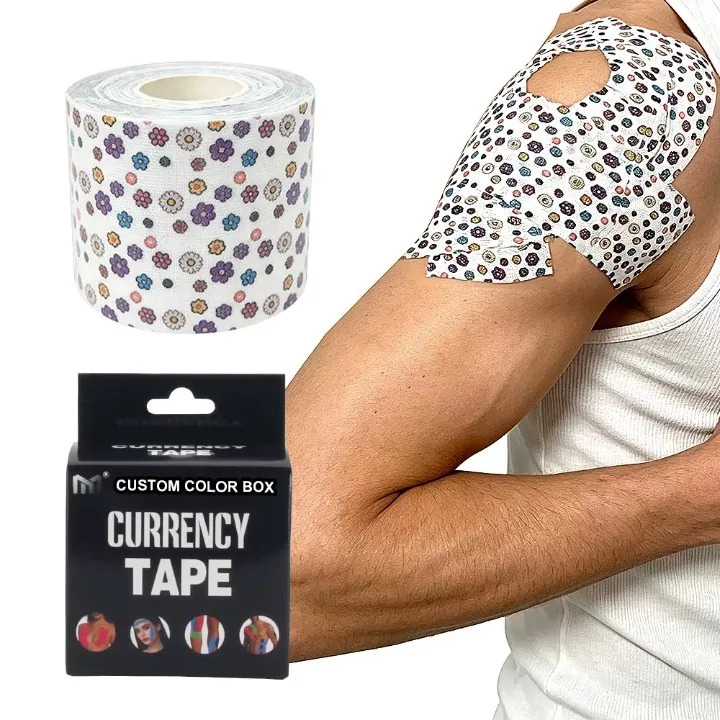
Three roll formats, three different briefs
Kinesiology tape combines a stretchable backing with adhesive for skin contact. NHS patient information from Royal Cornwall Hospitals describes it as elastic adhesive tape and places clinical application decisions with the treating therapist.
Rigid athletic tape is chosen where a less-stretching tape construction is intended. Cohesive wrap is another format: it clings to its own layers. Foam pre-wrap is a further, separate layer or product type. Their differences affect the material specification, application information and the sample a buyer should request.
A private label brief that says only sports tape, 5 cm wide leaves these important decisions open. Name the format first, then state the dimensions and the specific reference.
Logo printing is only one part of a private label order
For Kinesiology Tape Roll and Cohesive Wrap Catalog, distinguish printing on the tape from branding on the retail box or bag. A package with a custom logo can contain an unprinted roll. A printed roll additionally needs artwork size, orientation, color and repeat spacing to be agreed.
Review a physical printed sample together with the packaging proof. Ask whether openings, surface texture or a narrower roll width affect the usable print area. The Custom Printed Kinesiology Tape Specification Guide covers these roll-artwork questions in more detail.
Keep rolls, pieces and retail packs separate
A roll, a pre-cut strip and a finished retail pack are different purchasing units. State the roll width and length, quantity per color or artwork, and rolls per retail pack. If you need a ready-cut shape, use a separate specification stating its outline, dimensions and pieces per pack.
Compare Pre-Cut Kinesiology Tape and Sports Patch Catalog when the intended product is a shaped piece rather than a continuous roll. Do not compare the price of one roll with the price of one multipiece retail pack without reconciling the contents.
Separate product appearance from performance evidence
A buyer can inspect color, print registration and pack contents. Adhesion, stretch, wear conditions and any proposed therapeutic benefit require separate, relevant evidence and agreed evaluation. Neither a custom logo nor a familiar tape color establishes a clinical result.
Ask which material, sample and conditions a report covers. Keep application and skin-contact information specific to the selected construction; a hospital leaflet for a clinical technique is background information, not a test report for an MZBIO product.
Discuss a product specification
Send the product reference, intended use, dimensions, quantity per design and packaging concept. MOQ depends on product characteristics. Sample fees are paid upfront and refunded after an order is placed; confirm the amount and terms in the quotation.
If the chosen construction will be supplied in a mixed cut-shape pack, use the Pre-Cut Kinesiology Tape Assortment and Pack-Count Guide to define the quantity and drawing version of every component.